
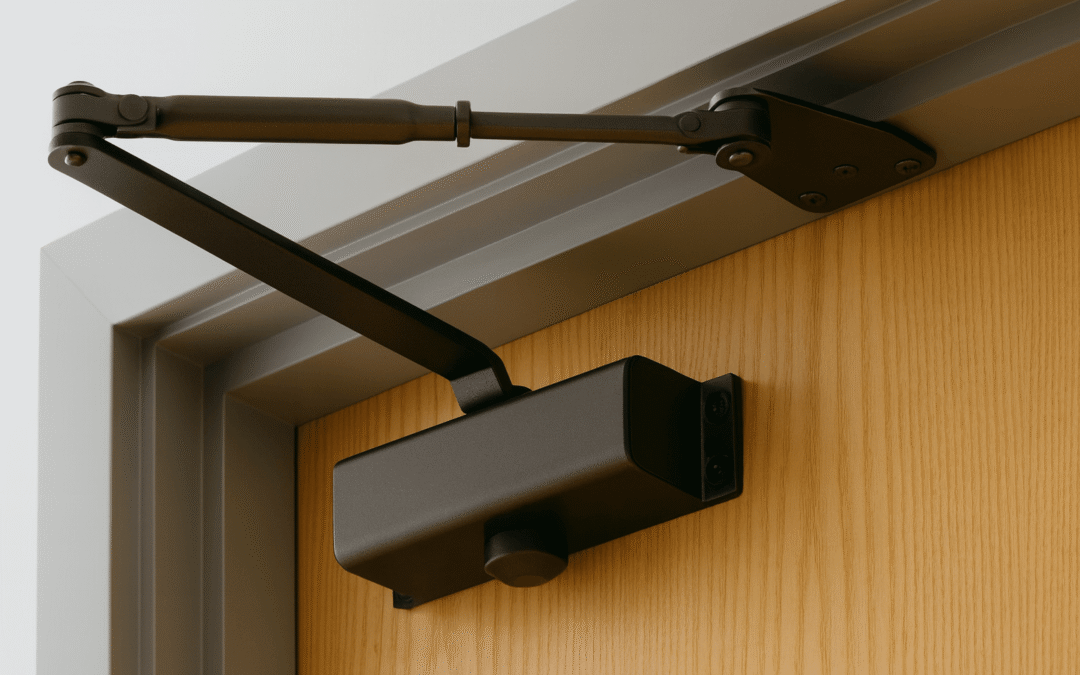
A commercial door that refuses to latch can interrupt business, frustrate customers, and leave an entrance unsecured. Sometimes the cause is minor, such as a blocked threshold or loose screw. Other problems involve worn hinges, a damaged latch, incorrect closer settings, or a shifted frame. If your commercial door won’t latch, avoid repeatedly slamming or forcing it. That can damage the lock and surrounding hardware.
This guide explains seven common causes, simple observations you can make, and situations requiring professional service. Tampa property managers can use these steps to describe the problem clearly when requesting commercial locksmith services and make a more informed repair decision before the problem becomes worse.
Commercial Door Won’t Latch: Quick Answer
The latch usually fails because it no longer lines up with the strike opening. Loose hinges, door sag, frame movement, latch wear, closer problems, and obstructions can all create that misalignment.
Begin by opening and closing the door slowly. Watch where the latch meets the strike plate. Listen for scraping, check the gaps around the door, and notice whether the door reaches the frame without help.
Do not adjust several components at once. One careful observation can help identify the likely source and prevent unnecessary hardware changes.
1. Loose or Worn Hinges Have Caused the Door to Sag
Commercial doors place significant weight on their hinges. Repeated opening, heavy traffic, and loose fasteners can allow the door to drop slightly.
Even a small change may move the latch below the strike opening. You might need to lift the handle before the door catches.
Look for these signs:
- Uneven gaps around the door
- Scraping near the threshold
- Loose or missing hinge screws
- A latch that hits below the strike
- Movement when you lift the open door
Tightening an accessible loose screw may help, but damaged threads or worn hinges need more than a quick adjustment. Larger commercial doors can also be heavy and difficult to support safely.
A technician may replace fasteners, repair mounting points, adjust hinges, or recommend new commercial-grade components. Correcting the sag restores alignment without modifying an otherwise functional strike.
2. Commercial Door Won’t Latch Because the Strike Is Misaligned
The strike plate receives the latch when the door closes. If its opening shifts away from the latch, the lock cannot engage correctly.
Misalignment can develop after hinge movement, repeated impact, frame settlement, or an earlier repair. A bent or loose strike can cause the same symptom.
Close the door slowly and observe where the latch touches the plate. Fresh scrape marks often reveal whether it hits high, low, or beside the opening.
Avoid enlarging the strike hole without identifying why alignment changed. Removing too much metal may weaken the connection or hide an unresolved hinge problem.
Proper repair may involve repositioning the strike, securing the frame, or correcting the door first. The latch should enter cleanly without lifting, pushing, or pulling the door.
3. The Latch Is Sticking, Worn, or Broken
A latch must extend fully after the door reaches the frame. Dirt, internal wear, damaged springs, and loose trim can stop that movement.
With the door open, operate the handle and watch the latch. It should retract smoothly and return without hesitation. A slow or partially extended latch may indicate an internal problem.
Other warning signs include:
- A lever that feels loose or stiff
- Grinding inside the lock
- A latch that remains retracted
- Visible chips or rounded edges
- Intermittent locking throughout the day
Do not apply household oil or random spray products inside commercial hardware. Some substances collect dirt or damage internal materials. Use only products approved for that specific lock.
A locksmith can inspect the chassis, spring, latch, and lever connection. Depending on the model, repair may involve replacing one part or the complete lockset.
Businesses needing more durable hardware can explore high-security commercial door locks suited to the opening and traffic level.
4. The Door Closer Is Adjusted Incorrectly
The door closer controls how the entrance moves toward the frame. If it lacks enough final closing force, the latch may stop just before entering the strike.
This problem often appears when the door closes smoothly but remains slightly open. Wind, air pressure, worn seals, or a tight latch can make the symptom worse.
The door may slam, bounce away from the frame, or damage the latch and strike over time.
Commercial closers contain adjustment valves, springs, and hydraulic fluid. Turning the wrong valve too far can cause leaks or unsafe movement.
A trained technician can evaluate closing speed, final latching movement, door weight, and surrounding conditions. The goal is controlled movement followed by enough force to engage the latch.
Automatic entrances require additional coordination between the operator, lock, sensors, and closer. Affordable Lock provides automatic door operator services for compatible commercial openings.
5. The Door or Frame Has Shifted
Door frames can move after building settlement, impact, corrosion, water exposure, or repeated stress. Metal doors may also become bent after carts, equipment, or forced entry strike them.
Frame movement creates symptoms beyond a missed latch. The door may rub along one edge, show an uneven gap, or require unusual pressure to close.
Inspect the perimeter from inside the building. Compare the space between the door and frame from top to bottom. A narrow gap in one area may reveal distortion.
Florida humidity and moisture can also affect certain door materials. Wood may swell, while damaged metal can corrode around exposed areas.
Frame repairs require accurate diagnosis. Moving the strike alone may offer temporary relief but will not correct a twisted door or unstable frame.
A professional can determine whether the opening needs adjustment, reinforcement, component replacement, or specialized door work.
6. Debris, Weatherstripping, or the Threshold Blocks Closing
Not every latching problem begins inside the lock. An object in the door’s path can prevent it from reaching the frame.
Check for stones, packaging, dirt, loose mats, or damaged threshold pieces. Inspect weatherstripping for folded, swollen, or detached sections.
New seals can also create resistance if they are too thick or installed incorrectly. The door may work immediately after installation but stop latching as materials shift.
Clean removable debris and reposition loose mats. Do not cut permanent seals or thresholds unless you understand their purpose and have authorization.
If the bottom of the door drags, the cause may involve hinges, frame alignment, or a raised threshold rather than simple debris. Note exactly where contact occurs.
Outdoor Tampa entrances collect sand, leaves, and moisture more quickly than protected interior doors. Regular visual checks can catch these obstructions before they affect closing.
7. Panic Hardware or Access Control Components Are Interfering
Commercial entrances often combine mechanical locks with panic bars, electric strikes, magnetic locks, card readers, door sensors, and automatic operators. One incompatible or poorly aligned component can affect the whole opening.
A panic bar may not reset after use. An electric strike may remain released, or its keeper may bind against the latch. A magnetic lock cannot secure a door that does not close far enough for full contact.
Watch for symptoms such as:
- A panic bar that stays depressed
- An electric strike that buzzes continuously
- A card reader that grants access but the door remains stuck
- A door sensor showing an open condition
- An automatic operator stopping before the frame
Avoid bypassing a release device or disconnecting powered hardware. Changes can create operational and safety problems.
Affordable Lock offers exit device services and access control support for businesses with connected door components.
A technician can test the opening in sequence. This shows whether the fault comes from the mechanical lock, powered hardware, controls, or door movement.
FAQ
Why Does My Commercial Door Latch Only When I Pull It?
When a commercial door won’t latch, the latch may not align until pressure moves the door into position. Hinge wear, closer settings, seals, or frame movement could cause this condition.
Why Does the Door Latch in the Morning but Not Later?
Temperature, humidity, sunlight, and building pressure can affect door materials and movement. Observe when the change happens and which edge begins rubbing.
Can I Move the Strike Plate Myself?
Moving a strike without correcting the underlying cause may provide only temporary improvement. Incorrect placement can also affect how securely the latch engages.
Why Does My Commercial Door Slam but Not Latch?
The closer may move too quickly, causing the door to bounce away. Misalignment or excessive seal pressure can also prevent the latch from entering.
Should I Replace the Lock or Repair the Door?
That depends on the failed component. A sound lock may only need alignment, while damaged internal hardware may require repair or replacement.
Restore Reliable Closing and Latching
When a commercial door won’t latch, the cause may involve hinges, the strike, lock parts, closer settings, the frame, an obstruction, or connected hardware. Accurate diagnosis protects the door from unnecessary changes.
Contact Affordable Lock & Security for professional commercial door and lock service for your Tampa-area property.