
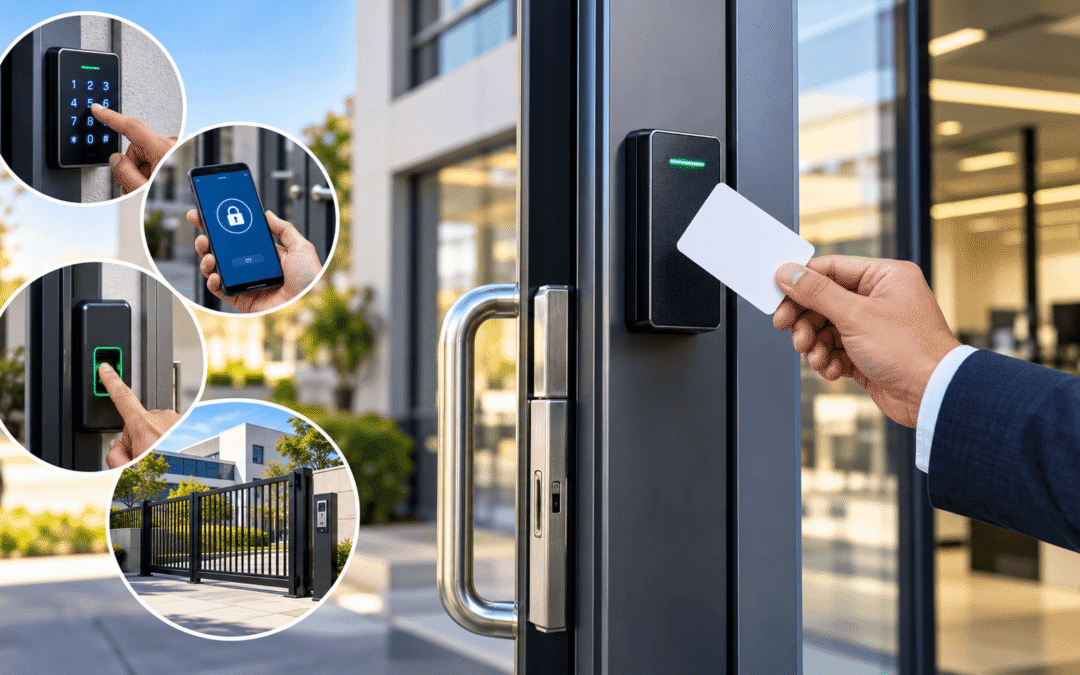
An access control system typically costs between $1,000 and $4,000 per door, including basic hardware and professional installation. However, simple standalone setups may cost less, while advanced networked systems can cost much more. The final price depends on the door, locking hardware, credentials, wiring, software, and management features. Tampa businesses should also consider electrical access, fire-safety requirements, and future expansion before comparing estimates.
This guide explains access control system cost per door, what each quote should include, and which upgrades may be worth considering. You will also learn how to compare providers and build a practical security budget without paying for features your property does not need today.
What Does Access Control Cost Per Door?
Most businesses can expect to budget between $1,000 and $4,000 per controlled door. This general range covers standard hardware, wiring, configuration, and professional labor.
A basic standalone system may fall below that range. A complex system with biometric readers or video integration can exceed $5,000 per door.
These figures offer planning estimates, not fixed prices. Your actual access control system cost per door will depend on the property and equipment selected.
A typical estimate may include:
- An electronic locking device
- A card, fob, keypad, or mobile reader
- A door position sensor
- A request-to-exit device
- A power supply and control panel
- Wiring and network connections
- Credentials and system programming
- Professional installation and testing
Request an on-site assessment before approving a final security budget. It allows the installer to inspect each opening and identify hidden complications.
Typical Access Control Pricing by System Type
Different systems provide different levels of control. Choosing the simplest suitable option can help your company manage costs.
| System type | Estimated installed cost per door | Common application |
| Standalone keypad system | $500–$1,500 | Small offices or restricted rooms |
| Basic card or fob system | $1,000–$3,000 | Offices, shops, and warehouses |
| Networked access control | $2,000–$4,000 | Multi-door commercial properties |
| Mobile or cloud-managed system | $2,000–$5,000 | Growing or multi-location businesses |
| Biometric access system | $3,000–$7,000+ | High-security or regulated areas |
Prices can vary because every door presents different installation conditions. Existing hardware, wiring routes, and door materials all affect labor.
What Affects Access Control System Cost Per Door?
The reader is only one part of the system. Several components must work together to control entry safely and reliably.
Existing Door and Frame Condition
A compatible commercial door in good condition may require fewer modifications. Damaged, misaligned, or unusual doors can increase labor and hardware costs.
Glass doors, aluminum storefronts, gates, and fire-rated openings may need specialized equipment. An installer should evaluate each opening before recommending a lock.
Businesses with worn hardware may also need commercial locksmith services before adding electronic access.
Electronic Locking Hardware
The locking device often represents a significant part of the total price. Common choices include electric strikes, electrified mortise locks, and magnetic locks.
The correct option depends on the door, frame, usage, and exit requirements. Existing high-security commercial door locks may influence the recommended design.
An electric door lock must also operate correctly with the reader, controller, and exit hardware.
Credential and Reader Type
Credentials can include cards, key fobs, PIN codes, mobile devices, or biometric data. Each option affects equipment and long-term management costs.
A basic door access reader usually costs less than a biometric or multi-technology model. However, the cheapest reader may not support future plans.
A key card entry system can suit many offices because administrators can deactivate lost credentials. They do not need to replace every lock.
Wiring and Power Requirements
Many wired systems need connections between the door, reader, controller, power supply, and network. Long cable runs can increase material and labor costs.
Concrete walls, finished ceilings, and limited electrical access may complicate the work. Wireless components can reduce some wiring, but they may carry higher equipment costs.
An experienced technician should also determine whether backup power is appropriate for your property.
Software and Management Features
A standalone system controls one opening locally. A networked commercial access control system can manage multiple doors through one interface.
Software may let authorized managers:
- Add or remove users
- Create access schedules
- Review entry activity
- Manage several locations
- Receive door alerts
- Assign different permission levels
- Connect access events with other security tools
Some platforms use a one-time license. Others charge monthly or annual fees based on doors, users, or features.
Integration With Other Security Systems
Some companies connect access control with alarms, intercoms, elevators, or video surveillance. These integrations can improve visibility but add equipment and programming costs.
For example, connecting access events with security camera installation and services may help managers review activity around selected entrances.
Plan integrations early. Adding them after installation may require new wiring or system changes.
Why One Door May Cost More Than Another
Not every opening requires the same equipment. A private office door usually has different needs than a busy exterior entrance.
Exterior doors may need weather-resistant hardware and stronger credentials. Gates may require long-range readers, special operators, or outdoor-rated enclosures.
Interior doors can still become expensive when they have special frames or limited wiring access. The number of doors also affects pricing.
A multi-door project may share controllers, software, and network equipment. This can reduce the average access control system cost per door compared with a single-door project.
Additional Expenses to Include in Your Budget
The initial installation price does not always represent the system’s complete ownership cost. Ask which recurring and optional expenses appear in the proposal.
Possible additional costs include:
- Replacement cards or key fobs
- Software subscriptions
- Cloud management fees
- Cellular or network connections
- System maintenance
- Battery replacement
- Employee training
- Additional user licenses
- Future door expansion
- After-hours installation
A cloud-based access control platform may simplify remote management. However, businesses should include its subscription fees when comparing long-term costs.
How to Estimate a Multi-Door Project
Start by listing every opening that requires controlled access. Then identify how each door is currently used.
Suppose a Tampa office needs access control on four doors. If the average installed price is $2,500 per door, the initial estimate would be $10,000.
This simple calculation provides a starting point:
Number of doors × estimated installed price = initial project budget
The actual total may change after the site assessment. Shared control equipment could lower the average cost, while difficult openings could raise it.
When estimating access control system cost per door, include credentials, software, training, and ongoing fees. This approach gives decision-makers a more complete comparison.
How to Compare Access Control Quotes
A low estimate may exclude important equipment or services. Compare the scope of each proposal instead of reviewing only the final total.
Ask each provider to clarify:
- Which hardware brands and models are included?
- Does the estimate cover wiring and power supplies?
- Are credentials included?
- Who will configure users and schedules?
- Does the software require a subscription?
- Is employee training included?
- Can the system support more doors later?
- What maintenance may be required?
- Will the installer test every component?
Also confirm whether door repairs or hardware upgrades appear in the estimate. Clear line items make different proposals easier to compare.
Choosing the Right System for Your Tampa Business
Begin with how your team uses the building. A small office may only need scheduled card access at two entrances.
A warehouse may need controlled gates, employee doors, and restricted storage areas. A medical or professional facility could require separate permission levels.
Businesses planning to expand should consider a scalable commercial access control system. Replacing a limited platform later can cost more than selecting flexible equipment initially.
Affordable Lock & Security provides access control system services throughout Florida. A professional assessment can match the system to your doors, daily operations, and budget.
FAQ
How much does a basic key card system cost for one door?
A basic installed key card entry system may cost between $1,000 and $3,000 per door. Hardware and installation conditions can change that estimate.
Is access control more expensive for exterior doors?
It can be. Exterior openings may need weather-resistant readers, stronger locking hardware, or more complex wiring. Their current condition also affects the price.
Do access control systems have monthly fees?
Some systems do. Cloud-managed software may charge monthly or annual fees. Standalone systems may operate without a recurring software subscription.
Can an existing commercial door support access control?
Many existing doors can support an access control installation. However, the frame, lock, hinges, and exit hardware must be compatible and functional.
Plan Your Access Control Project With Confidence
Understanding access control system cost per door helps you compare equipment, installation, and long-term expenses. For a solution based on your Tampa property, contact Affordable Lock & Security to request a professional assessment.